
Hey there, if you're a plant manager, production supervisor, or someone who's recently stepped into handling bulk packaging operations, chances are you've asked this exact question: Do I need special skills to run an FIBC bag machine? Let me cut right to the chase-my team and I have been supplying bulk packaging equipment for over a decade, and we've fielded this query from everyone from small farm operators to large chemical manufacturers. The short answer isn't a straight "yes" or "no"-it depends on the machine type, how you train your team, and the support you get from your supplier. Stick with me, and I'll break this down so you don't overcomplicate it or underprepare.
First, let's get clear on what an FIBC bag machine even does, because a lot of folks mix up the different types out there. FIBCs are those flexible intermediate bulk containers-you know, the big 1-ton bags used for grain, plastic pellets, chemicals, construction materials, and more. An FIBC bag machine is the whole setup that fills, seals, and sometimes weights these bags, right? Now, not all FIBC bag machines are created equal, and their skill requirements vary a ton. That's why it's key to match the machine to your team's existing skill level.
Let's start with the basics: what skills are actually "special" here? I'm not talking about basic hand-eye coordination or following simple instructions. I'm referring to things like advanced electrical troubleshooting, heavy machinery maintenance, or certified operation (like for OSHA-regulated equipment in places with strict safety rules). If you're using a simple, entry-level bulk bag filling machine for consistent, low-hazard materials like grain or birdseed, you probably won't need super specialized training. But if you're running a high-speed, automated big bag packing machine that handles flammable chemicals or abrasive plastics? That's when you'll need some targeted training.
Wait, let's talk about the machines we supply, because this isn't just theory. Let's take the horizontal double helix feed bag packaging machine per ton-this is a workhorse for feed mills and agriculture, right? It's designed to handle free-flowing, granular materials like corn, soy, or animal feed. Most operators we train on this get the hang of it in a day or two. The helix part spins to feed material into the bag, there's a scale that auto-adjusts for weight, and it seals with a simple hot cutter or sewing head. The only extra skill? Making sure the helix doesn't clog if you're switching between grain types, which is something we walk teams through in a 2-hour on-site or virtual session. No fancy certifications needed here-just paying attention and following checklists we provide.
Then there's the bulk bag filling machine line, which covers a range of setups from semi-automatic to fully automated. Semi-automatic models, which are popular with small to mid-sized manufacturers, only require an operator to hook up the FIBC to the fill spout, start the cycle, and maybe adjust a few settings if the material flow changes. Fully automatic models, like some of our jumbo bag filling machines that tie into your production line, need a tiny bit more-knowing how to pull a basic error code from the touchscreen, swap out filters if the dust collection system backs up, or reset the machine if a bag misaligns. But even then, that's not "special skills" – that's basic equipment operation, the same as running a conveyor or grain dryer. We include a 6-month on-call support package with every machine, so if your team hits a snag, they don't have to wait days for help.
Now, the one area where you might need more targeted skills is if you're handling hazardous materials-think chemicals, fertilizer, or anything that's explosive, toxic, or super dusty. For these, OSHA and other regulatory bodies have specific requirements, and some big bag filling machine models are built for those applications. If you're using these, your team will need safety training: how to properly ground the FIBC to prevent static (huge for flammable materials), how to respond if there's a dust buildup alarm, and how to inspect the machine's pressure relief valves. This isn't "special skills" in the engineering sense-it's compliance training that we can facilitate or connect you to local providers for. It's specific to the material, not the machine itself.
Let me also bust a common myth: a lot of new operators think FIBC machines are like industrial robots that need coding degrees. Nope. All our machines run on intuitive touchscreens, we have step-by-step video guides embedded in the machine's interface, and our training materials are written like you're talking to another person-not a mechanical engineer. Last year, we worked with a small construction company that had never used bulk packaging equipment before. They got a big bag packing machine for their sand and gravel, and their three operators were up and running in 3 days. The only hiccup was when one guy forgot to hook the bag's loops to the hooks-easy fix, and something we covered in the hands-on training.
Wait, but what if you're upgrading from smaller packaging (like 50lb bags) to FIBCs? Do you need new skills? It's similar, but with a few small differences. The biggest is weight and load handling-FIBCs are 20x heavier than those small bags, so operators need to know how to safely use a forklift or hoist to move them. But that's a basic forklift certification, which most production teams already have, or it's a quick training we can do. No need for anything else.
Let's be real-there are some edge cases where "special skills" might help, but they're not required. For example, if you want to modify the machine to handle a super unusual material (like something sticky that clogs the helix), knowing basic mechanical tinkering could make that easier. But that's not operating the machine-that's modifying it, and we can usually adjust the machine at our factory before delivery to avoid that need. We've designed all our machines to be flexible for common bulk materials, so most of our customers never have to modify anything on their own.
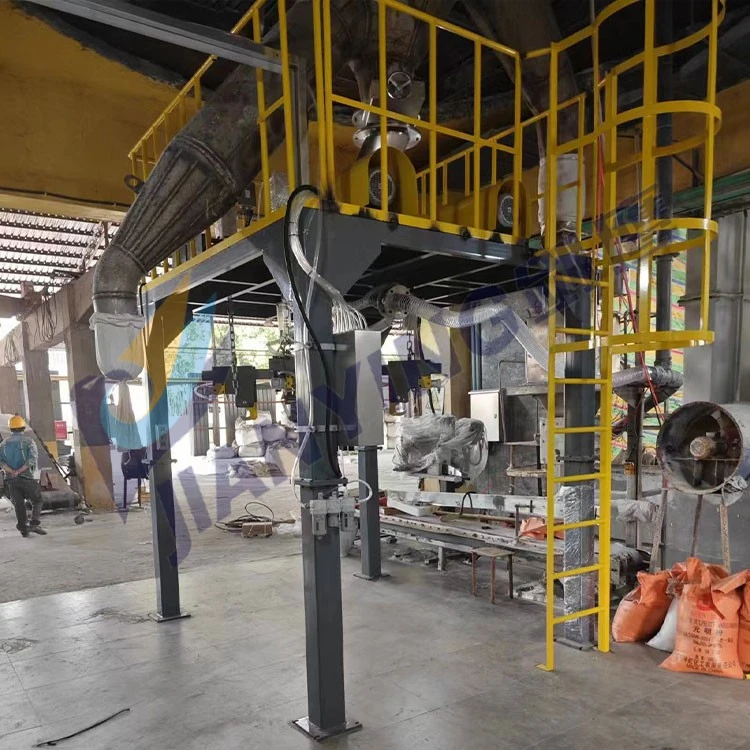
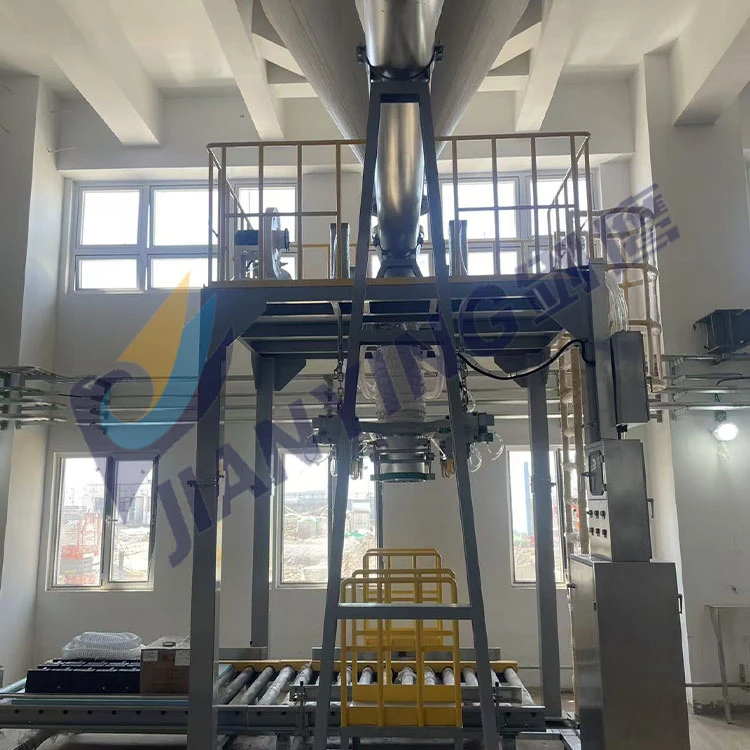
Another point: maintenance. A lot of people ask if they need special skills to keep the machine running. Our machines have few moving parts compared to other industrial equipment-no complicated gears or hidden components. Basic maintenance is just lubricating the helix once a month, checking the scale's calibration every 3 months (we send you a calibration tool and a 10-minute video), and cleaning the dust collection filter weekly. If something does break, we stock replacement parts locally in most regions, and our techs can walk you through a repair over the phone in 15 minutes. We rarely send field techs for basic repairs-we train your team to handle most small issues themselves.
I should also mention that some of our competitors might oversell the need for "special skills" to lock you into expensive training packages. We don't. Our philosophy is: if a machine is too hard to operate without advanced skills, it's a bad machine for 90% of bulk packaging operations. The only time we push extra training is for hazardous materials, and that's required by law anyway, not because the machine is hard to run.
Let's circle back to the original question. So, do you need special skills to operate an FIBC bag machine? The answer is: only if you're working with hazardous materials, and even then, it's compliance training-not specialized engineering or mechanical skills. For most standard applications (grain, feed, sand, plastic pellets, common chemicals), a team with basic production experience can be up and running in 1-3 days with our training and support. We design every machine with operators in mind-no confusing jargon, no hidden steps, just consistent, reliable operation.
If you're in the market for an FIBC bag machine, don't let fear of "special skills" hold you back. The last thing you need is a piece of equipment that's too complicated for your team to use, or paying for training you don't actually need. We've helped hundreds of customers pick the right machine and set up their team for success, no matter their skill level. Whether you're looking for a horizontal double helix feed bag packaging machine per ton for your feed mill, a bulk bag filling machine for your agricultural operation, a big bag packing machine for construction materials, a big bag filling machine for chemical processing, or a jumbo bag filling machine for any other bulk application, we can walk you through the process, answer all your questions, and make sure your team is comfortable and confident running the equipment.
If you're ready to chat about your specific needs, don't hesitate to reach out. We're here to help you find the right solution for your business, no pressure, no hidden costs.