

If you've ever visited a grain silo, a feed mill, or a potato processing plant, you've probably seen large woven bags filled to the brim with agricultural goods-those are FIBCs, more commonly known as jumbo bags. For decades, these bags have been a go-to for moving and storing bulk farm products, but a question I hear all the time as a supplier of jumbo bag packing machines is: can this equipment actually be trusted for agricultural use? Let me break this down, because the answer isn't just yes-it's why this gear is one of the most underrated workhorses in modern agribusiness.
First, let's address the core of the question: what makes a machine "ag-friendly"? For agriculture, any packaging tool needs to handle inconsistent materials (think kernels that vary in size, powdery soil, or clumpy fertilizer), be easy to clean between runs (critical for cross-contamination prevention), and keep up with the often large-scale rhythms of harvest or planting season. The good news is that almost every component of a quality jumbo bag packing machine is built to check these boxes.
Let's start with the feeding system, which is make-or-break for agricultural products. Take, for example, our horizontal single-helix feeding bag packaging machine per ton. Unlike old conveyor belts that can damage soft produce like strawberries or crush fine powders like flour, this helical design uses a gentle, rotating screw to move material from the processing line straight into the jumbo bag. That's a huge win for farms that handle delicate items: I've seen small vegetable co-ops struggle with belt feeders that bruise potatoes, but switching to helical feeders cut their product loss by 12% in just one harvest season. The screw's speed is adjustable too, so you can fine-tune it for corn kernels (fast, steady flow) versus lime powder (slow, controlled pour) without switching parts.
Next, let's talk about the bags themselves and how the machine interfaces with them. FIBCs (flexible intermediate bulk containers)-the technical term for jumbo bags-come in different grades: some lined for moisture, some vented for grains that need to breathe, some reinforced for heavy loads like bulk salt. The FIBC Bag Machine is built to handle all of these variations. The clamping mechanism, which holds the bag open during filling, has adjustable arms so it works with standard 1-ton bags or larger 2-ton models, and it seals the top with heat or stitching depending on the product. For example, when we sold a set of these machines to a mid-sized corn farm in Iowa, they originally used hand-sewn bags that would split during transport. Our FIBC Bag Machine's automated stitching unit not only cut their filling time from 20 minutes per bag to 3, but also reduced spillage- a critical point when corn prices are tied to every bushel that reaches market.
Now, let's get into the logistics side: agricultural operations run on tight timelines. During wheat harvest, a single farm might need to fill 500 jumbo bags in a day to get grain to elevators on schedule. That's where bulk bag packing machines shine. A standard machine can fill 60 to 80 bags per hour, which is way faster than manual labor, and it also includes built-in weighing sensors that ensure each bag hits the exact weight required (usually 1 ton for grain, 500kg for fertilizer). I remember a time last fall when we were on a call with a soy bean producer in Brazil who was falling behind on their harvest because their old manual filler was broken. We connected them with our ton bag packing machine, and they were back to processing 40 tons of soy a day within 48 hours-enough to keep their trucks rolling to the port without waiting. That's the kind of real, on-the-ground impact that makes these machines matter for farmers, not just factory floors.
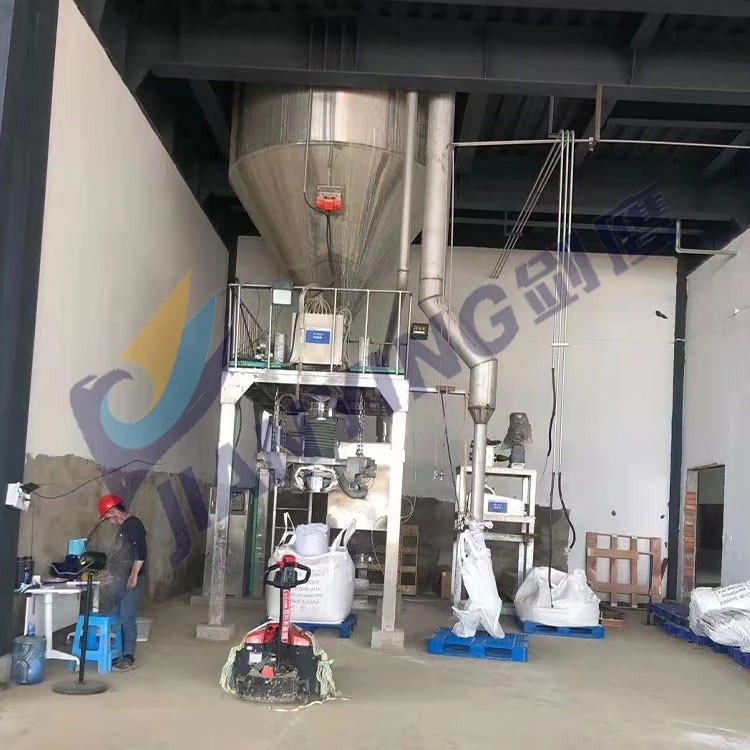
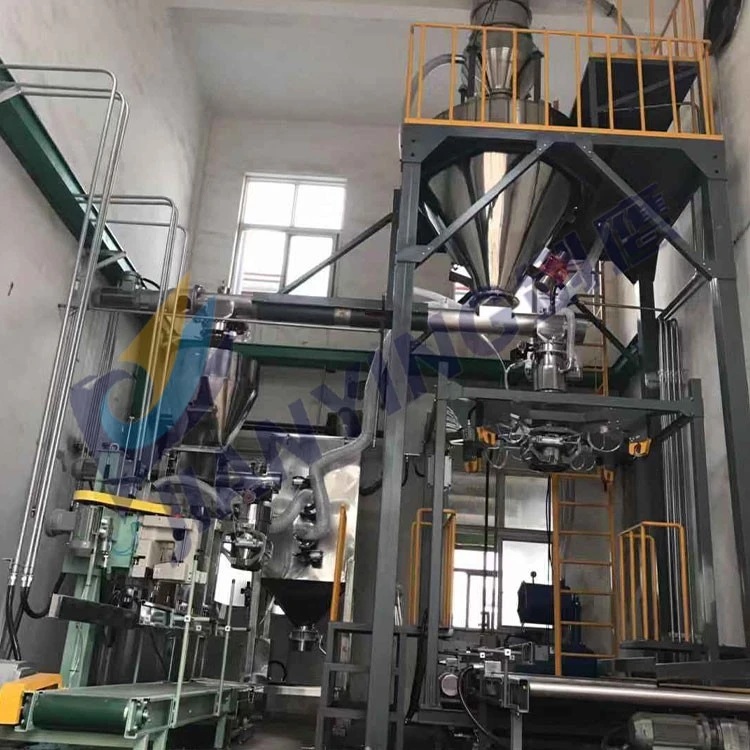
But wait, there's a common myth here: some agricultural operators worry that industrial packing machines are too "hard" for natural products. Let's debunk that. Modern jumbo bag packing machines have features tailored to reduce product degradation. For example, the 1 ton bag filler has a controlled drop height-when the material flows into the bag, it's released from a height of only 12 to 18 inches, which prevents bruising for produce like onions or carrots and keeps fine powders from turning into clumps. For dusty items like alfalfa meal, we add a dust extraction unit that pulls excess particulate out of the filling zone, so workers don't have to breathe in fine dust and the product stays clean. I've worked with a feed manufacturer that switched from open-top bins to our 1 ton bag filler for their livestock feed, and they told us their customer complaints about moldy or lumpy feed dropped by 20% because the controlled filling reduced air exposure and moisture buildup.
Cleaning is another big one for agriculture. If you're switching from filling corn to fertilizer in the same machine, you can't have cross-contamination, and the equipment has to be easy to sanitize. Most of our jumbo bag packing machines are made with food-grade stainless steel for all contact parts, which resists rust and doesn't absorb odors or residues. The horizontal single-helix feeding unit is even designed to be fully disassembled in 5 minutes-no tools needed-so crews can hose it down and get it ready for the next batch by the end of the day. A client who runs a hemp farm told me this was a non-negotiable for them, since they have to process different strains at different times and can't risk mixing them. Our machine's quick-clean design let them meet their regulatory requirements without adding extra labor hours.
Of course, there are limits. You wouldn't use a jumbo bag packing machine for tiny, delicate seeds like lettuce, which are better handled with smaller bagging equipment. But for 90% of agricultural bulk products-grains, pulses, fertilizer, animal feed, root vegetables, even some construction-grade soil amendments-this equipment is not just usable; it's more efficient, consistent, and cost-effective than manual methods. Let's do the math: a farm that uses manual labor might pay 2 workers $15 an hour to fill 20 bags an hour. A machine can do 70 bags an hour, running 24 hours a day during peak season, with just one operator overseeing it. Over a harvest season, that adds up to thousands of dollars in savings, not to mention less product waste, fewer workplace injuries (no heavy lifting for workers), and more reliable delivery times to buyers.
I've been in this industry for 10 years, and I've seen clients go from skeptical-"machines will mess up our crops"-to raving fans. One of my most memorable clients is a family-owned potato farm in Idaho that was filling bags by hand until 2019. They brought in our bulk bag packing machine, and within a year, they were able to expand their customer base to regional grocery chains because their bags were consistently sealed and weighted. Before that, hand-filled bags would sometimes be underweight or split on delivery, leading to lost contracts. Now, their machine runs 10 hours a day during harvest, and their operator says it's like "having an extra pair of hands that never gets tired."
If you're in agriculture and considering making the switch to automated jumbo bag packing, the key is to work with a supplier who understands both the equipment and your specific product. For example, if you work with very fine powders, we can adjust the helical feeder speed to prevent dust. If you need to fill bags in a dusty outdoor environment, we can add weatherproofing to the machine. All of our models are customizable to fit your operation, whether you're a small co-op with 50 bags a day or a large commercial farm with 500.
At the end of the day, the question isn't "can a jumbo bag packing machine be used for agricultural products?"-it's "why wouldn't you?" This equipment solves so many of the headaches that come with bulk farm packaging: inconsistency, labor shortages, product waste, and tight deadlines. Whether you're packing wheat for export, feed for livestock, or root veggies for local markets, investing in the right machine will pay for itself in saved time, reduced waste, and happier buyers.
If you're ready to learn more about how our equipment can work for your farm, we're here to help. We can walk you through the different models, like the FIBC Bag Machine, horizontal single-helix feeding bag packaging machine per ton, bulk bag packing machine, ton bag packing machine, or 1 ton bag filler, and even connect you with client testimonials from farms similar to yours. Contact our team to discuss your needs and find the right solution for your operation.