

Alright, let's keep this real and straightforward-no fancy jargon, just the stuff I've seen working with big bag filling machines over the years. If you're a producer of grains, chemicals, minerals, or any bulk powder/granular stuff, you've definitely wondered how long that big, loud machine in your facility will actually stick around. I'm not here to give you a vague "it depends" line (though there's a little truth to that)-I've been in this big bag filling machine game long enough to break it down, especially since I'm from the team that supplies these things.
First off, let's get one thing straight: a big bag filling machine isn't a disposable coffee cup you toss after a week. It's a workhorse built to handle tons of material day in and day out. But its service life doesn't just fall out of thin air-it's a mix of how you use it, what you put through it, how often you maintain it, and even the quality of the machine you bought in the first place. I've seen machines that last 10+ years running 24/7, and I've seen ones crapping out in 3 years because someone skipped basic maintenance or jammed them with materials they weren't built for.
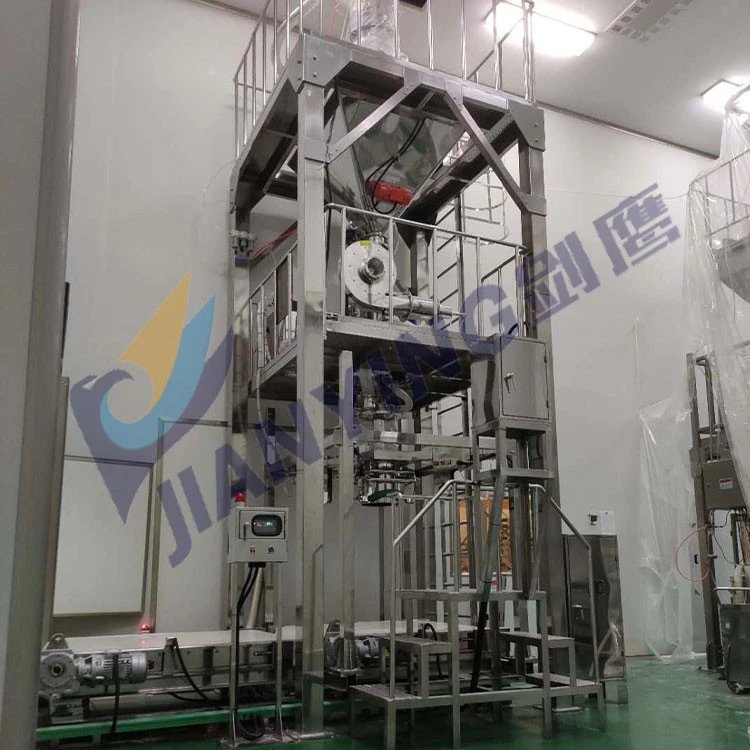
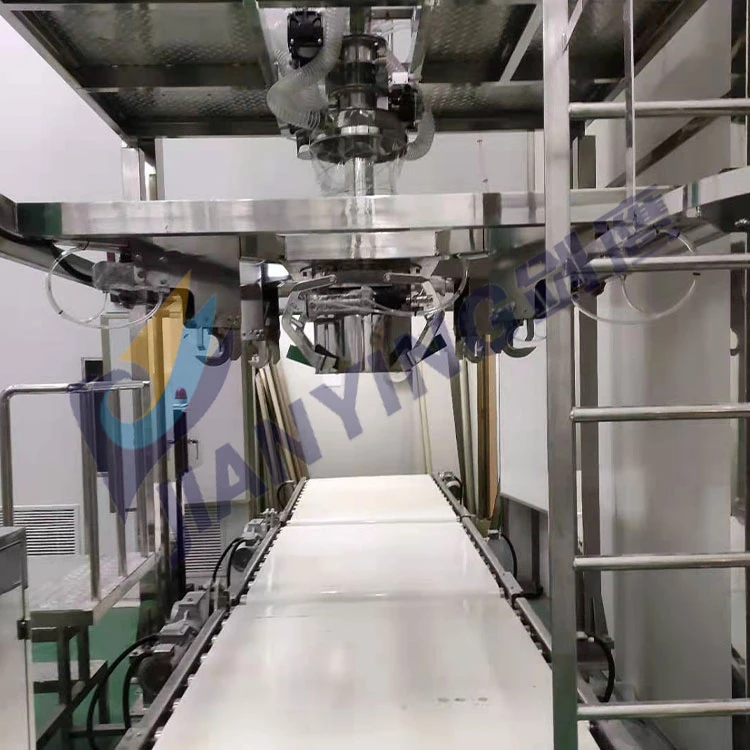
Let's start with the big picture: general service life ranges. For most well-built machines, you're looking at 8 to 15 years of heavy-duty use. But that's a broad number-if you're running a high-output operation, like filling 20 jumbo bags an hour non-stop, you might lean more toward the lower end, maybe 8 to 12 years. If you're a smaller operation running 8-hour shifts a few days a week, that machine could easily hit 15 or even push past it. Now, I'm not counting a few minor tweaks here-we're talking full functionality, being able to hit your fill accuracy and speed targets without constant breakdowns.
But let's dive deeper into the factors that actually move that number up or down, because that's what you care about, right? You don't just want a number-you want to make your machine last as long as possible, and know what to avoid.
First, build quality. This is the foundation. If you buy a cheap off-brand big bag filling machine that skimps on heavy steel frames, low-quality motors, or flimsy filling nozzles, don't expect it to last. I've seen customers who went the cheap route and ended up replacing half the parts in 2 years, only to have the whole machine die a year later. The good ones-like the Big Bag Filling Machine we supply? We use thick, corrosion-resistant steel frames, industrial-grade motors that can handle consistent load, and precision parts that don't wear out fast. That extra upfront cost pays off in the long run. Also, the type of machine matters: a Horizontal Single-Helix Feeding Bag Packaging Machine Per Ton designed for 1-ton fillers has a different build than a small 500kg model, so matching the machine to your needs is key.
Next, the material you're filling. This is a huge one I see people sleep on. If you're filling abrasive materials-like quartz sand, metal ore, or certain types of plastic pellets-those little rough particles wear on every part of the machine that touches them: the filling chute, the auger, the inside of the hopper. I had a customer a few years back who was filling abrasive silica without any liner in the filling nozzle. After 2 years, they had to replace the entire nozzle assembly because it was so worn down that fill accuracy was off by 10kg. If you're handling corrosive materials, that's another story-those eat through metal parts over time, so you need coatings or stainless steel components, not just a regular carbon steel machine. On the flip side, if you're filling non-abrasive stuff like sugar or rice, the wear is way lower, so the machine lasts longer.
Then there's usage and operating habits. Are you running the machine 24/7, with no downtime for cleaning, or are you sticking to scheduled shifts? Overloading the machine-trying to fill more bags per hour than it's rated for-will wear it out fast. I had another customer who pushed their Bulk Bagging Machine to 30 bags an hour when it was only rated for 20. Within a year, the gearbox blew, the conveyor belt stretched, and the fill scale was way off. Also, how do you load the material? If you're feeding it too fast, causing jams in the auger or chute, that puts unnecessary stress on the motor and other parts. Proper training for your operators isn't a luxury-it extends the machine's life. We always make sure to walk customers through how to run their new Jumbo Bag Filling Machine correctly, because we'd rather see their machine last than hear them blame us for a broken unit later.
Maintenance, maintenance, maintenance-this is the secret sauce. I can't say this enough, even if it sounds like a broken record. A machine that gets regular, proper maintenance will last twice as long as one that's neglected. What does that look like? Weekly checks: lubricating moving parts (the auger bearings, conveyor rollers), checking for loose bolts, cleaning out any material residue that's starting to build up. Monthly: calibrating the fill scale (off-kilter scales lead to overfilling, which stresses the machine), inspecting belts and hoses for wear. Yearly: a full deep clean, replacing any worn parts before they fail catastrophically, checking motor performance, maybe even a professional tune-up. I've seen a customer who stuck to our maintenance schedule and their machine is going strong at 12 years now, still hitting the same accuracy as when it was new. Another skipped all maintenance and was replacing parts every 6 months, and the machine was done in 5 years.
Wait, what about refurbishment and upgrades? A lot of people think when a big bag filling machine gets 10 years old, it's time to trash it. But that's not always true. Most parts of a good machine can be refurbished: replacing worn augers, updating the control panel to newer tech, even upgrading the filling system to handle different materials. I've had customers who refurbished their 10-year-old machine and got another 5 years out of it, way cheaper than buying a new one. The only time you really need to replace the whole machine is if the frame is corroded beyond repair, or the core components (like the motor or gearbox) are too outdated to find replacement parts.
Let's also talk about real-world examples, just to make this concrete. Last year, a mining customer of ours was running a 1 Ton Bag Filler 22 hours a day, 6 days a week, filling abrasive iron ore. They did monthly scale calibrations and weekly bearing lubrication, no extra stuff. That machine is 11 years old now, and the only parts they've replaced are the filling nozzle liner and a couple small conveyor rollers. Compare that to a grain farmer who bought a cheap machine for his small operation, runs it 8 hours a week, no maintenance. He's had it for 4 years, and now the auger is bent, the scale is off, and the frame has small rust spots. The difference isn't the machine itself-it's how they use and care for it.
Now, let's bust a myth here: some people think the service life is just based on the manufacturer's warranty. The warranty is usually 1 to 2 years, right? That just means the manufacturer will fix any defects in that time. The real service life is way longer than the warranty, if you do your part. I've seen machines outlive their warranties by a decade easy, as long as you keep up with maintenance.
So, what does this mean for you? If you're in the market for a big bag filling machine, don't just go for the cheapest one. Look for one built with heavy-duty parts, made for the type of material you're handling. Once you have it, stick to a maintenance schedule-we even give all our customers a free maintenance checklist when they buy from us, no extra charge. Train your operators so they don't misuse the machine. And if you're looking to extend the life of an old machine, refurbishment is always worth looking into before buying new.
At the end of the day, the service life of your big bag filling machine is mostly in your hands. Sure, the build quality sets the baseline, but your usage, maintenance, and care will decide if it's 8 years or 15+. If you're curious about which machine is right for your operation, or want to chat about extending the life of your current filler, feel free to reach out-we've helped tons of customers figure out what works for them, whether they're filling 1-ton bags or bulk materials for their facility.