

As a supplier of jumbo bag packing machines, I get asked this question all the time: how exactly does a machine that fills massive bulk bags seal them? If you've ever watched a big bag being packed-whether for grains, minerals, chemicals, or construction materials-you might've noticed that the sealing step is as critical as the filling itself. A bad seal means product spillage, contamination, wasted materials, and even safety hazards for workers handling the bags later. After thousands of installations across industries, I've seen firsthand how the right sealing technology turns a loosely filled jumbo bag into a secure, transport-ready load. Today, I'm breaking down the science and engineering behind how our jumbo bag packing machines do this vital job, straight from the floor of our manufacturing plant.
First, Why Sealing Jumbo Bags Is Different From Regular Bags
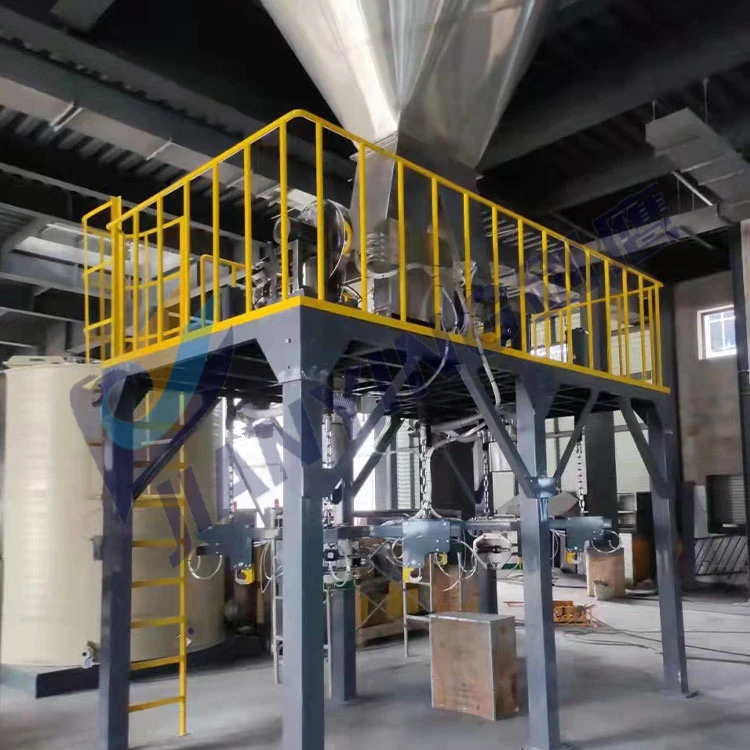
Let's start with the basics: jumbo bags (also called FIBCs-Flexible Intermediate Bulk Containers, for anyone in the industrial space) are not like the plastic sandwich bags you use at home. They're designed to hold 500kg to 2,000kg of dry bulk materials, so their construction is heavy-duty-woven polypropylene coated for UV resistance, reinforced seams, and a wide top opening for filling. That top opening is what we seal, and it comes in a few standard types: looped, open-top, or spouted. Each type requires a specific sealing method, which is why our range of equipment, from the Big Bag Filling Machine to specialized bulk bag systems, is built to adapt to these variations.
The biggest challenge with sealing jumbo bags isn't just closing them-it's making a seal that holds up during transport (truck vibrations, stacking in warehouses, crane lifting) and protects the product from moisture, dust, or external contaminants. For example, if you're packing food-grade grains, a faulty seal can let in moisture and ruin the entire shipment. For abrasive minerals like gravel or metal powders, a bad seal means product loss during lifting, which is not just costly but also a workplace safety issue. That's why we don't cut corners on sealing technology-every component is tested to withstand the rigors of heavy industrial use.
The Core Sealing Methods Used in Jumbo Bag Packing Machines
Over the years, we've refined our sealing processes based on client feedback and industry needs. There are four main sealing technologies that our machines rely on, and each has a clear use case. Let's walk through each one, how they work, and where they fit in the packing line.
1. Heat Sealing: The Most Common Method for Woven Polypropylene Bags
Heat sealing is the workhorse of jumbo bag sealing, used by most standard Bulk Bag Packing Machine setups. Here's how it works, in simple terms: the machine applies controlled heat to the bag's top edge, then applies pressure to melt the polypropylene fibers together, creating a continuous, airtight bond.
But it's not just turning up the heat and pressing-there's a precise balance needed. Too little heat, and the fibers don't fully melt, leading to a weak seal that tears. Too much heat, and the polypropylene burns, leaving gaps or brittle spots that break during lifting. Our machines use thermocouple sensors that monitor temperature in real-time, adjusting within 1 degree Celsius to match the bag material's specifications. Most of our clients use either woven polypropylene (the most common) or sometimes polyethylene-lined bags, so we program our heat sealers to adapt to both.
The process on our machines is fully automated: once the bag is filled (we offer both Horizontal Double Helix Feed Bag Packaging Machine Per Ton for heavy, dense materials and Horizontal Single-Helix Feeding Bag Packaging Machine Per Ton for lighter, more fluid products), the sealer arm moves up to grasp the bag's top edge, folds it over twice for extra strength, applies heat for 2-3 seconds, then holds pressure while it cools. The result is a flat, strong seal that's easy to tie with a sling for lifting-no loose threads or gaps.
We recently installed a system at a grain processing plant in the Midwest that switched from manual heat sealing to our automated jumbo bag packing machine. They reported a 30% drop in seal failures and a 20% faster packing line, since the machine can seal a bag in less than 10 seconds, compared to 2 minutes of manual work. That's the kind of efficiency we aim for as a supplier.
2. Stitching Sealing: For High-Strength, Heavy-Duty Applications
Not all products work with heat sealing. Some clients need FIBCs that can handle extreme loads or harsh conditions, so they opt for stitching. Stitching uses heavy-duty polyester or polypropylene thread to sew the bag's top edge closed, creating a seam that's almost as strong as the bag's original construction. It's also the go-to method for uncoated woven bags that might melt or warp with heat.
Our Ton Bag Packing Machine line offers both heat and stitching sealing, depending on the client's needs. The stitching process on our machines uses industrial sewing heads that can handle up to 10 stitches per inch, which is the industry standard for jumbo bags. The machine aligns the bag's top edges perfectly before stitching, so there are no uneven spots or skipped stitches. We also add a secondary lock stitch at the end of the seam to prevent the thread from unraveling if a stitch breaks, which is crucial for bags being lifted 10+ meters in warehouse cranes.
One of our clients in the mining industry uses stitching exclusively because their bags hold nickel ore (which is extremely abrasive) and are used in outdoor conditions where heat sealing might degrade from UV exposure. They told us that since switching to our stitching seal system, they've had zero bag failures during crane lifting, which was a major safety concern before. That's why it's important to match the sealing method to your specific product and application, not just pick the most common one.
3. Combination Sealing (Heat + Stitching): The Best of Both Worlds
Sometimes, one method isn't enough. For products that are sensitive to moisture (like powdered chemicals) or require maximum security (like pharmaceutical ingredients), we offer combination sealing: a heat seal inside the bag's top edge, plus an external stitch to hold it in place. This gives the airtight protection of heat sealing and the mechanical strength of stitching.
The process here is a bit more involved. First, our machine folds the bag's inner flap over, applies the heat seal to create a barrier against moisture, then pulls the outer flap over that seal and stitches it closed. It's a two-step process, but our automated systems handle it seamlessly without slowing down the packing line. We've seen this method used by companies that export products internationally, where bags are exposed to long shipping times and extreme temperature changes-combination seals prevent both spillage and product contamination.
4. Spout Sealing: For Bags That Need Dispensing
Wait, not all jumbo bags are fully sealed at the top. Some have a spout for controlled dispensing, which requires a different type of sealing. Our Big Bag Filling Machine line offers spout sealing for clients who need to fill bags that will later be dispensed into smaller containers or processing equipment.
Spout sealing works by crimping the spout's opening closed after filling, then either heat sealing the crimp or tying it with a plastic clip. The machine aligns the spout perfectly during filling to avoid blockages, then crimps it evenly so the seal is tight. This is especially useful for food and beverage companies that need to portion out bulk ingredients without opening the entire bag.
Critical Factors That Make a Seal Last
Sealing method is only part of the equation. As a supplier, I've learned that there are three key factors that determine whether a seal will hold up over time, regardless of the technology used:
- Bag Preparation: The machine must align the bag's top edges evenly before sealing. If the bag is twisted or folded unevenly during placement, the seal will be weak. All our machines have adjustable bag holders that lock the bag in place before sealing, ensuring a straight, even edge every time.
- Material Compatibility: The sealer has to match the bag material. For example, heat sealers don't work well with coated bags that have a polyethylene lining-they require a higher heat setting to melt the lining without damaging the polypropylene. We pre-program all our machines to adjust based on the bag type, so operators don't have to guess.
- Line Speed: Sealing time has to match the packing line speed. If the machine fills a bag every 15 seconds, the sealer has to keep up without rushing through the process. Our systems are designed to sync with our filling machinery, whether it's a small 5-bag-per-minute line or a high-volume 20-bag-per-minute setup, with no drop in seal quality.
What to Look for in a Jumbo Bag Packing Machine's Sealing System
If you're in the market for a jumbo bag packing machine, here's what I recommend focusing on when it comes to sealing:
- Automation: Manual sealing is slow and inconsistent. Look for a machine with automated sealing that has built-in sensors to adjust temperature, pressure, or stitch count based on bag material.
- Adaptability: Your needs might change down the line-maybe you switch from uncoated to coated bags, or from grains to chemicals. A flexible sealing system that can switch between heat, stitching, or combination seals will save you money in the long run.
- Reliability: The sealing component is the heart of the machine. Ask about the mean time between failures (MTBF) for the sealing heads or heat sealers. All our machines are tested for 10,000 seal cycles before shipment, so you can count on them to run non-stop in a 24/7 operation.
Final Thoughts: Sealing Isn't an Afterthought-It's a Core Part of Packing
I can't stress this enough: the sealing step in jumbo bag packing isn't something you do just to close the bag. It's what protects your product, keeps your workers safe, and ensures your cargo arrives intact. Over the past decade, we've worked with hundreds of clients to refine their sealing processes, and every time, we've seen that investing in the right sealing technology for your jumbo bag packing machine pays off in fewer waste bags, less downtime, and higher customer satisfaction.
Whether you're looking for a standard bulk bag packing machine, a specialized horizontal helix feed system, or a full line with combination sealing, we have the expertise to help you find the right fit. If you're ready to talk through your specific needs-what product you're packing, your line speed requirements, or any challenges you've had with sealing in the past-reach out to our team to discuss how our equipment can streamline your packing process.