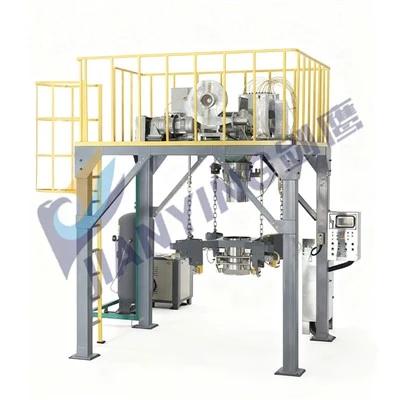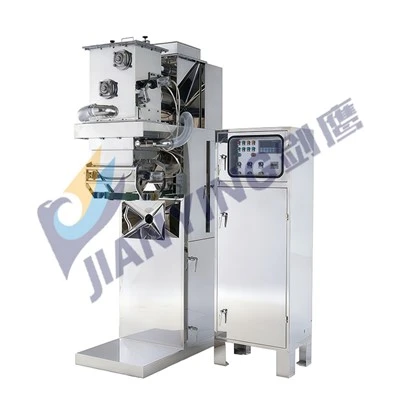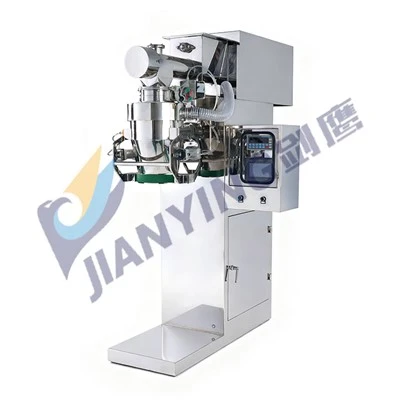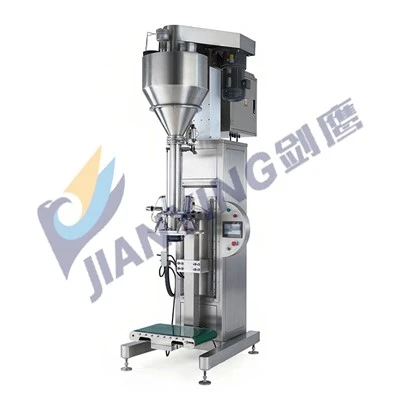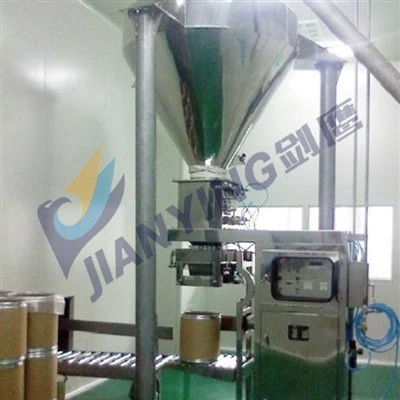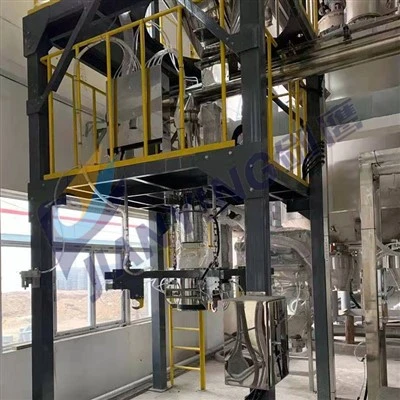
These machines automatically fill materials-based on preset weight or volume-into either pre-made or in-line formed bags and seal them. They typically consist of a feeding system, a metering system, a bag-forming system, a sealing system, and a control system. Understanding the working principles reveals why these machines achieve high efficiency and consistent packaging quality.
The metering system serves as the "heart" of the equipment. Depending on material characteristics, common metering methods include auger metering (for powders), volumetric cup metering (for granules), and electronic scale metering (for materials requiring high precision). For instance, auger metering uses a rotating screw to advance the material, dispensing a fixed volume with each rotation; conversely, electronic scales utilize load cells to provide real-time weight feedback for closed-loop control. Regardless of the method, metering accuracy directly impacts packaging quality, making it a critical parameter to evaluate when purchasing a machine.
The bag-forming and sealing systems are equally vital. Many small-sachet machines utilize back-sealing or three-side sealing configurations; roll film is folded into a tubular shape via a forming collar before undergoing longitudinal and transverse sealing. Parameters such as sealing temperature, pressure, and duration must be adjusted according to the packaging film material (e.g., polyethylene or aluminum foil laminates). Excessive temperature causes the film to melt and deform, while insufficient temperature results in weak seals. Consequently, the stability of the temperature control system is a key factor influencing the packaging yield rate.