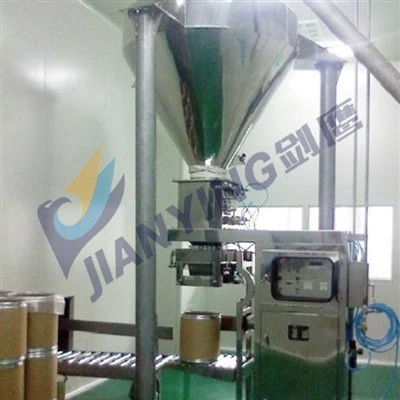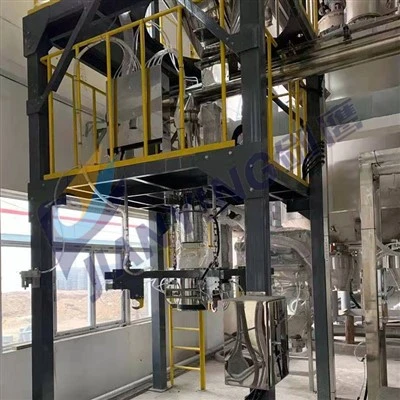
Identify Material Characteristics
Standard fine powders (flour, starch, feed powder): Standard auger packaging machine suffices.
Light, fluffy powders (fly ash, talc, lime powder): Choose a model with dust-prevention features and a forced-feeding mechanism.
Powders prone to clumping (premixes, mineral powder): Equip with an anti-bridging agitation device.
Sticky powders (brown sugar powder, seasoning powder): Use an auger with increased pitch and a non-stick stainless steel hopper.
Flammable/explosive powders (chemical powders): Must use an explosion-proof model with full explosion-proof configuration.
Match the machine model to the industry
Food Industry (flour, starch, milk powder)
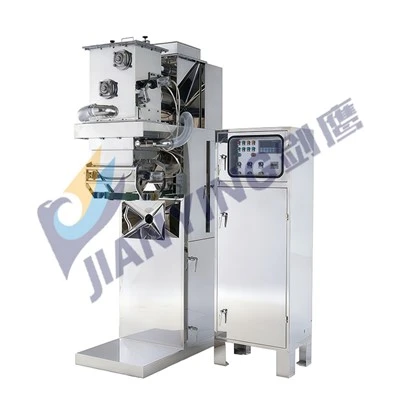
Choose models made of 304 stainless steel that feature weighing systems, dust-free designs, and wash-down capabilities.
Construction Materials Industry (putty powder, mortar, lime powder)
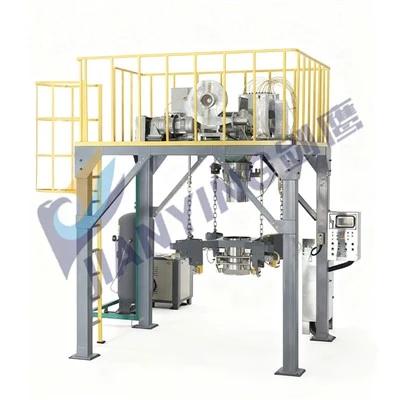
Prioritize valve-bag powder packaging machines; they offer high speeds and eliminate the need for bag sewing.
Feed Industry (premixes, compound powder blends)
Select high-output weighing and packaging scales equipped with anti-bridging and anti-caking mechanisms.
Focus on key structural features
Feeding Method
Standard powders: Single-screw feeding (cost-effective).
Poor-flow or bridging-prone powders: Twin-screw feeding plus hopper agitation (ensures smooth flow and prevents bridging).
Metering Method
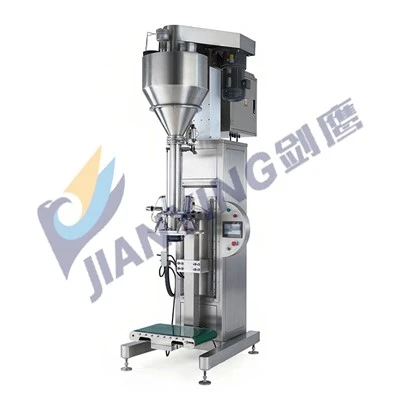
Screw volumetric: High speed and low cost; suitable for materials with less stringent precision requirements.
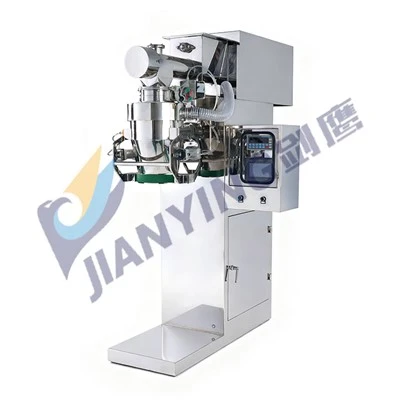
Weighing-based: High precision and minimal error; the preferred choice for industrial powders.
Choosing Practical Configurations
Limited budget: Select only the main machine and conveyor belt; omit unnecessary features.
Labor savings: Install an automatic feeder to eliminate manual material loading.
Data management needs: Opt for a touchscreen interface, production statistics tracking, and weight data storage.
Cold/humid workshops: Select electrical control components with moisture-proof and freeze-resistant specifications.