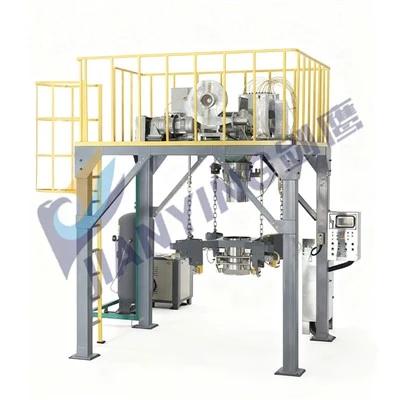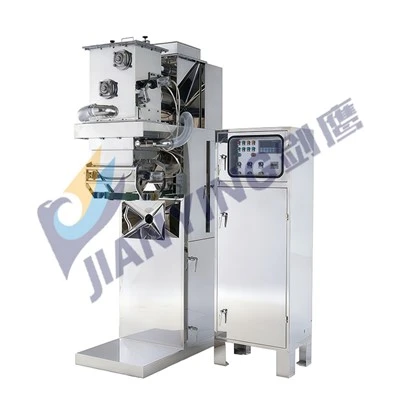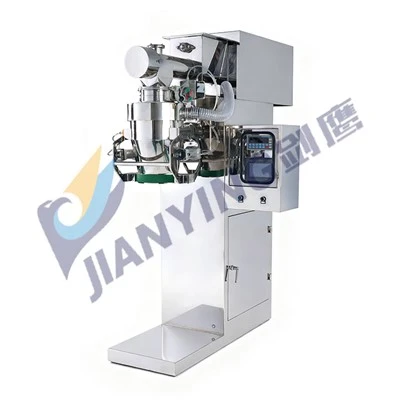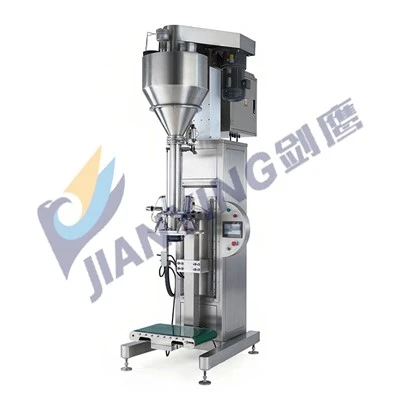
With increasing automation, the operation, maintenance, and routine servicing of packaging machines have become simpler and more convenient, reducing the level of specialized skill required from operators. The quality of the packaged product is directly linked to factors such as the temperature control system, the rotational speed precision of the main unit, and the stability of the tracking system. During operation, a film mark sensor continuously detects the film marks (color codes), while a mechanical tracking limit switch monitors the position of the mechanical components. Both signals are sent to the PLC; following programmed processing, the PLC's outputs (Y6 for forward tracking and Y12 for reverse tracking) control the tracking motor's direction.
This allows for the timely detection and precise correction of errors in the packaging material during production, thereby preventing material waste. If technical requirements are not met after a preset number of tracking attempts, the machine automatically stops for inspection to avoid the production of defective goods. The use of variable-frequency speed control significantly reduces reliance on chain drives, enhances operational stability and reliability, and lowers operating noise. These features ensure a high-tech, fully automated machine capable of high efficiency, low waste, and automatic detection. Although the transmission system of the automatic packaging machine performs relatively simple functions, it demands high dynamic performance, specifically requiring rapid dynamic tracking response and high speed stability.