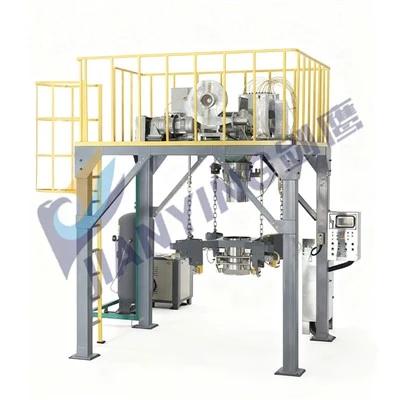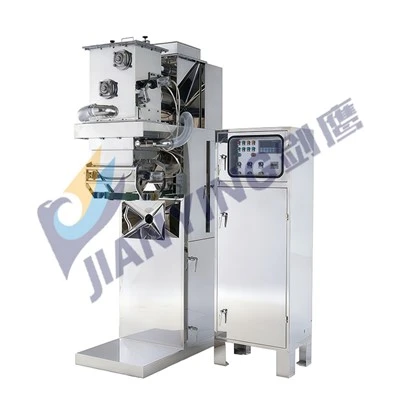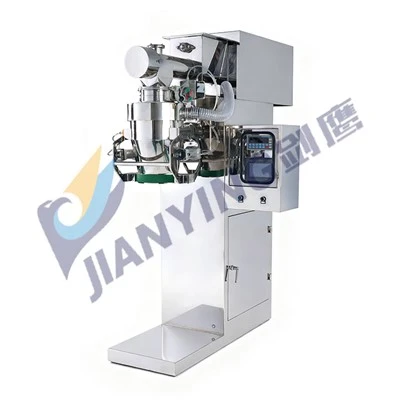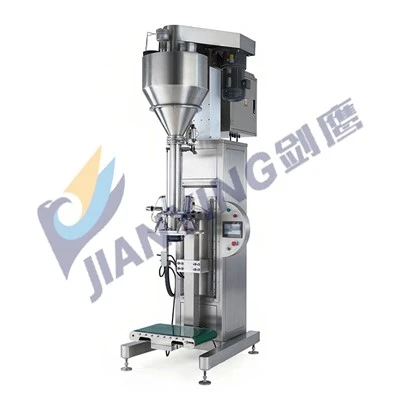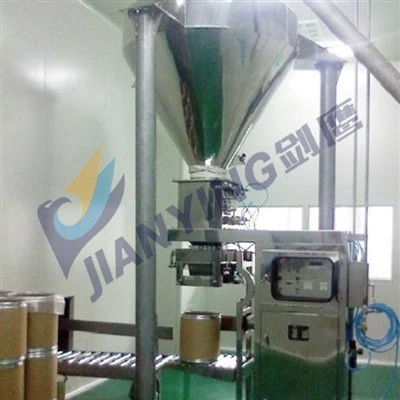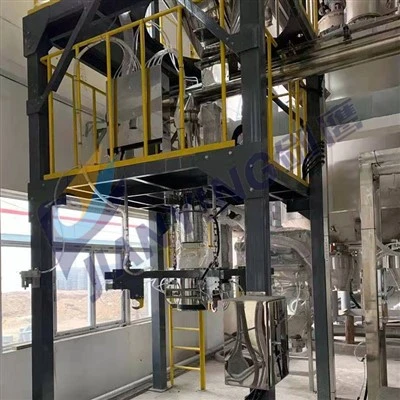
The core rationale behind the adoption of automatic weighing and packaging machines lies in the need for quantitative packaging combined with a drive for efficiency and measurement accuracy. Consequently, they are widely used across various sectors-most notably the food industry, but also spanning pharmaceuticals, chemicals, and agricultural products. Specific industries and key application scenarios include:
1. Food Industry (Widest application and highest demand)
As the primary sector for automatic weighing and packaging machines, this industry covers quantitative packaging needs for virtually all types of food products, making the equipment particularly well-suited for large-scale production environments:
Snack foods: Nuts, melon seeds, candies, chocolate beans, cookies, puffed snacks, crispy rice snacks, braised snacks, etc.;
Grains, oils, and dry goods: Rice, millet, mixed grains, flour, dried noodles, vermicelli, dried tofu sticks, shredded kelp, dried seaweed, etc.;
Specialty dry goods: Red dates, goji berries, dried longan, raisins, dried figs, shiitake mushrooms, wood ear mushrooms, snow fungus, etc.;
Processed fresh foods: Frozen dumplings, glutinous rice balls (tangyuan), fish/beef balls, frozen vegetables, portioned meat (chicken wings, drumsticks), shrimp meat, etc.;
Other foods: Instant noodle seasoning packets, tea leaves, coffee beans, pet food, pet treats, meal replacement products, etc.
2. Pharmaceutical & Health Supplement Industry (High-requirement, high-precision scenarios)
Operations must comply with industry standards (such as GMP certification). Equipment focuses on contamination prevention, ease of cleaning, and high precision, making it suitable for pharmaceutical and health-related materials:
Health supplements: Protein powder, vitamin tablets, probiotic powder, meal replacement powder, *Ejiao* (donkey-hide gelatin) cake slices, goji berry puree, honey, etc.;
Pharmaceutical products: Traditional Chinese Medicine (TCM) granules, Western medicine powders, capsules (counting and weighing by single or multiple units), TCM decoction pieces (slices, segments), pharmaceutical excipients, etc. 3. Chemical Industry (Requirements for corrosion resistance, dust containment, and explosion protection)
Given the characteristics of chemical materials (such as corrosiveness, dust generation, and flammability/explosivity), equipment requires specialized materials or structural designs to accommodate the quantitative packaging of various chemical products:
Powdered chemicals: Laundry detergent powder, dishwashing powder, coating powder, putty powder, dye powder, feed additives, industrial powders, etc.;
Granular chemicals: Plastic granules, rubber granules, resin granules, industrial salt, chemical additives, flame retardant granules, etc.;