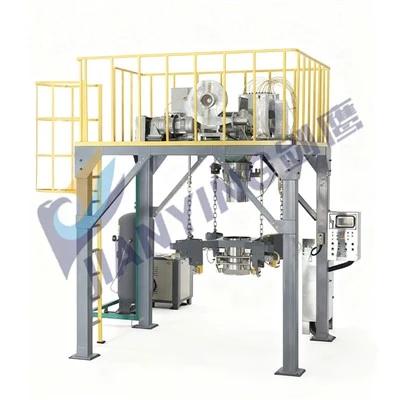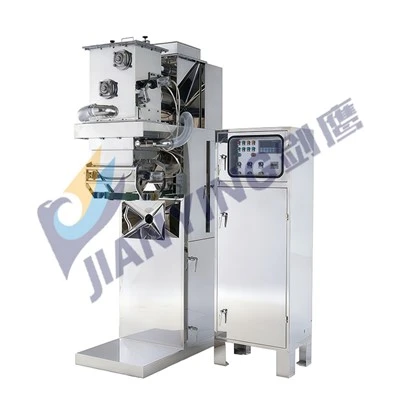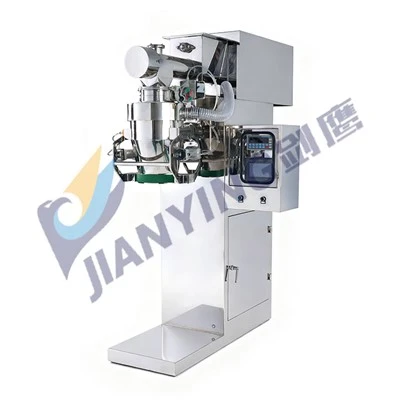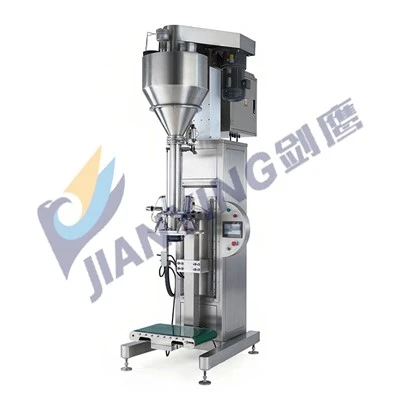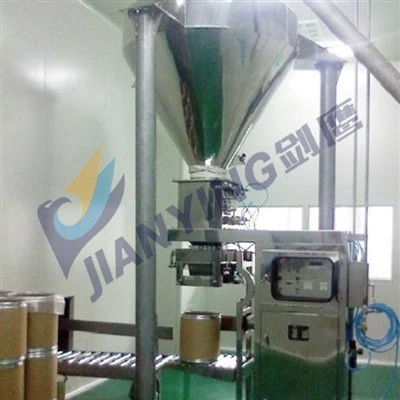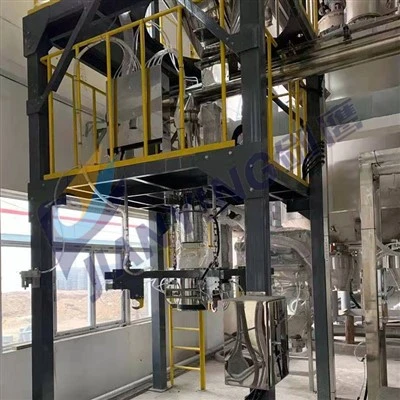
The process relies primarily on the coordinated operation of high-precision load cells and an intelligent control system; its core function is to achieve precise material measurement through the conversion of physical quantities, signal processing, and feedback regulation.
The load cell is the central component of the weighing system, operating based on either the resistance strain effect or the electromagnetic force balance principle. When material enters the weigh hopper, the force exerted causes the sensor to deform, resulting in a change in internal resistance (in strain-gauge types) or disrupting the electromagnetic force balance (in electromagnetic force compensation types). This generates a weak electrical signal (typically in the millivolt range) proportional to the weight. This signal is amplified 1,000 to 5,000 times by a signal amplifier, converted into a digital signal by an analog-to-digital converter (ADC), and finally processed by the control system. For instance, a granule packaging machine processing 600 bags per hour requires a sensor response time of less than 50 milliseconds to ensure the accuracy of dynamic weighing.