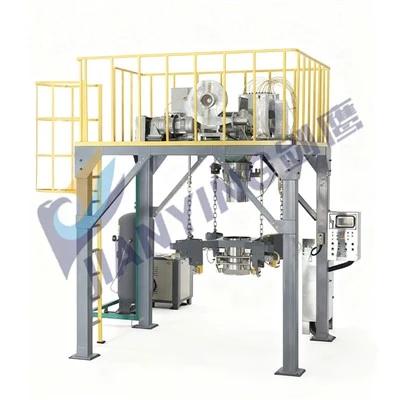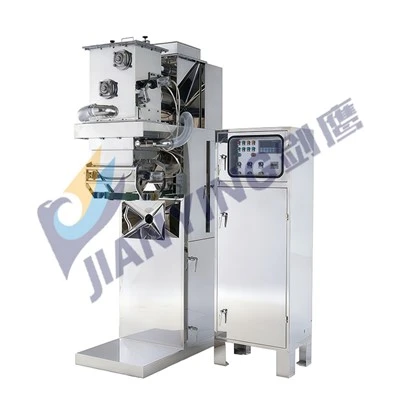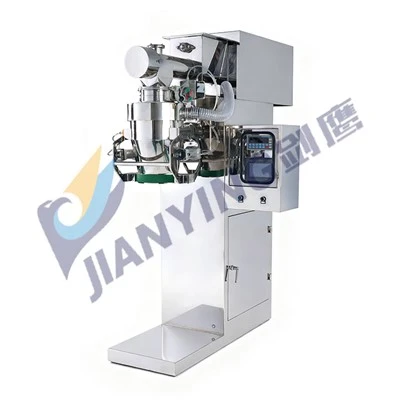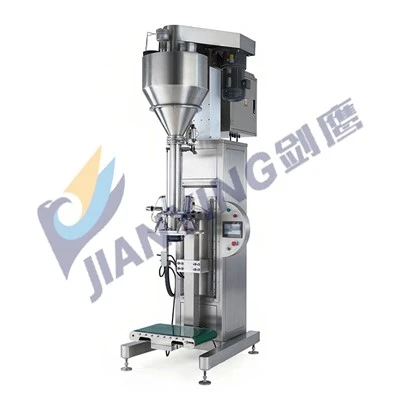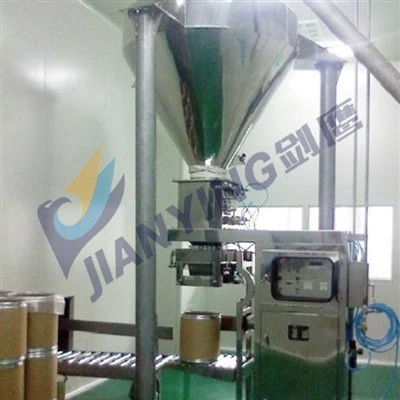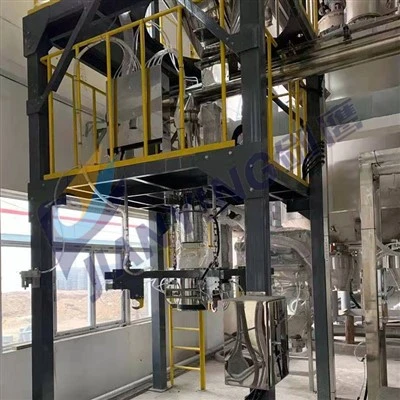
Packaging speeds vary depending on the machine model, material, and specifications. Common ranges include 20–60, 30–80, or 40–60 bags per minute; some high-speed models reach 40–60 bags per minute, while speeds for large-bag or specialized models may range from 5 to 15 bags per minute. Metering ranges vary significantly based on the metering method and machine model, typically covering 1 ml to 5,000 g. Volumetric cup metering ranges are commonly 1–80 ml or 10–80 ml; auger (screw) metering ranges span from 1 g to 1,500 g (or even 500–5,000 g); and weighing-based metering ranges cover 0.5 kg to 100 kg, with some large-bag models reaching 10–200 kg.
Packaging accuracy depends on the metering method: weighing-based machines offer the highest precision, achieving ±0.1%–0.2% (or an error of less than 0.2%), whereas auger or volumetric cup systems typically have error margins of ±1%–±3%, though some equipment achieves errors of less than 0.5%.
Bag-making styles include three-side sealing, four-side sealing, and back sealing (pillow-style bags). Bag dimensions vary widely, with lengths ranging from 40 mm to 400 mm and widths from 30 mm to 300 mm; common three-side sealing models handle lengths of 40–120 mm and widths of 30–100 mm, while back-sealing models accommodate lengths of 80–400 mm and widths of 50–300 mm.
Power supply and power consumption vary by model; the power supply is typically 220V single-phase or 380V three-phase, with power ratings ranging from 300 W to 1.8 kW. External dimensions are 730 × 630 × 1,580 mm, and the weight is 180 kg. Suitable packaging materials include composite materials such as PP/PE, PET/Al-foil/PE, PET/metallized film/PE, and Nylon/PE.